
Should You Patch the Holes in Drywall or Install New Drywall?
Should You Patch the Holes in Drywall or Install New Drywall?
REPAIRING DRYWALL
MrWalls Drywall & Painting
11/26/20254 min read
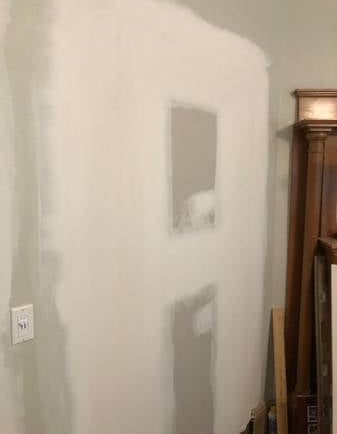
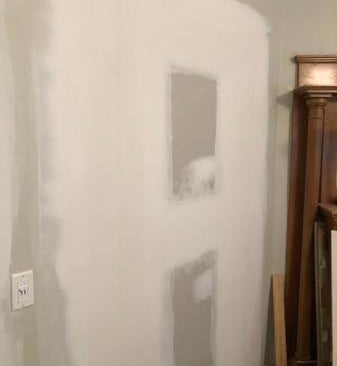
Understanding Drywall Damage
Drywall damage can manifest in various forms, each requiring a different approach to repair. The most common types of drywall damage include small holes, large holes, and extensive water damage. Small holes are often the result of minor accidents, furniture scrapes, or the removal of wall fixtures such as hooks. These damages are typically easy to fix, requiring simple patching techniques and minimal materials.
In contrast, large holes can occur due to more significant impacts, such as those caused by accidental collisions with heavy furniture or sports equipment. Repairing large holes often necessitates a more involved process, which may include installing new drywall patches and ensuring structural integrity around the repair site. Homeowners often find that tackling such damage may require advanced techniques and, sometimes, additional support from professional contractors.
Extensive water damage, on the other hand, presents a far more serious issue. Prolonged exposure to moisture can weaken the drywall, leading to mold growth and further deterioration. This type of damage often necessitates a complete removal and replacement of the affected drywall sections, as patching alone may not suffice. It is essential for homeowners to promptly address any signs of water damage to prevent the situation from escalating. Common causes of such damage include leaking pipes, roof leaks, or high humidity levels within the home environment.
Understanding the various types of drywall damage is a fundamental step for homeowners. By assessing the severity and cause of the damage, one can make an informed decision about whether to patch existing drywall or opt for installing new drywall. The choice between these two options often depends on the extent of the damage, potential underlying issues, and personal preferences regarding repairs.
Patching Holes in Drywall
Patching holes in drywall is an essential task for maintaining the integrity and aesthetic quality of interior walls. This process can be quite manageable with the right tools and materials, making it a popular choice for homeowners and DIY enthusiasts alike. Key materials needed for effective drywall patching include joint compound, which serves as a filler, putty knives for application, and sandpaper for finishing touches.
The first step in patching is to prepare the area surrounding the hole. Begin by ensuring that the edges of the hole are clean and free of loose debris. This can be done by gently scraping around the hole using a putty knife. For larger holes, it may be necessary to create a square or rectangular shape, as this facilitates the application of the patch and offers a better fit for the joint compound.
Next, apply the patching compound. For small holes, simply using joint compound will suffice. With a putty knife, spread the compound over the hole, ensuring it's slightly raised above the wall surface to allow for sanding once it dries. For medium-sized holes, a mesh patch or pre-cut patch can be used, anchoring it in place with additional compound applied directly over it. After applying the joint compound, allow it to dry according to manufacturer instructions, usually around 24 hours.
Once dry, it’s time to sand the area. Using fine-grit sandpaper, smooth out the repaired surface until it is flush with the surrounding wall. Dust off any debris to prepare for painting. The final step involves priming and painting the patched area to achieve a uniform look. Patching offers several benefits, including cost-effectiveness and time efficiency compared to full drywall installation, while still enhancing the overall appearance of your walls.
When to Install New Drywall
Determining whether to patch drywall or install new drywall is essential for maintaining the integrity and appearance of your interiors. There are specific situations that necessitate the installation of new drywall instead of opting for a repair. One primary consideration is the size of the damage. Large holes—typically greater than a few inches in diameter—often cannot be effectively repaired. While patching is feasible for smaller indents or shallow damages, larger breaches may require the removal of an entire section of drywall for a seamless finish.
Another significant circumstance that calls for the installation of new drywall is when the existing walls are structurally compromised. If the drywall has suffered from significant impact, or if it is substantially warped, a patch will not provide the necessary stability. Furthermore, framing issues behind the drywall, such as sagging studs or loose connections, can undermine the safety of the structure and therefore warrant a complete replacement. Addressing these underlying issues proactively by installing new drywall ensures long-term durability and safety.
Areas affected by mold or water damage are also critical situations that demand new drywall installation. Mold not only poses serious health risks, but it can also infiltrate existing wall materials, making them unsafe for continued use. Simply patching over damaged drywall will potentially exacerbate the issue, leading to further damage down the line. In such cases, removing the affected sections and installing new drywall can mitigate health risks and promote a safer living environment.
When considering the transition from patching to installation, it is imperative to weigh the benefits of a full replacement, including aesthetic value and long-term durability versus the potential short-term benefits of a simple patch. Understanding the extent and nature of the damage will guide homeowners toward the most appropriate action.
Cost Considerations and DIY vs. Professional Help
When faced with the decision of whether to patch the holes in drywall or to install new drywall, cost considerations play a crucial role. Understanding the financial implications involved in both procedures can help homeowners make informed choices. The cost of patching drywall generally ranges from $50 to $100, factoring in basic materials like joint compound, tape, and sandpaper for small areas. For larger repairs, especially in cases where multiple holes or significant damage exists, the overall costs can increase considerably. Additionally, if any new drywall sheets are required, costs can escalate further due to added materials.
In contrast, installing new drywall typically has a higher upfront cost. Homeowners should expect to spend between $.35to $.60 per square foot for materials. This estimate often includes installation fees, as professional help is often recommended for a complete drywall installation to ensure structural integrity and aesthetics. Labor costs can vary widely based on the local market rate for skilled tradespeople. When hiring professionals, homeowners should budget not only for materials but also for the labor involved, which can quickly add to project costs.
Deciding between a DIY approach or hiring professionals plays a significant role in cost assessment. For small patches, individuals with basic home improvement skills may find it more economical to handle the repairs themselves. However, for extensive damage or entire walls requiring replacement, consulting with a professional can save time and ensure proper installation. Ultimately, the decision should consider both the financial aspect and the level of comfort one has with DIY projects. Assessing one's skills alongside the project's complexity can lead to a more effective resolution regarding drywall repair or installation.